Introducing the Cortex MCP ServerThis blog introduces the new Cortex MCP, bringing real-time intelligence from XSIAM data to your preferred LLM applicati...
When we set out to solve AI security, we knew it was an audacious challenge to take on. Securing AI Coding, which I wrote about last week, is one example of how we are tackling this multidimensional problem.
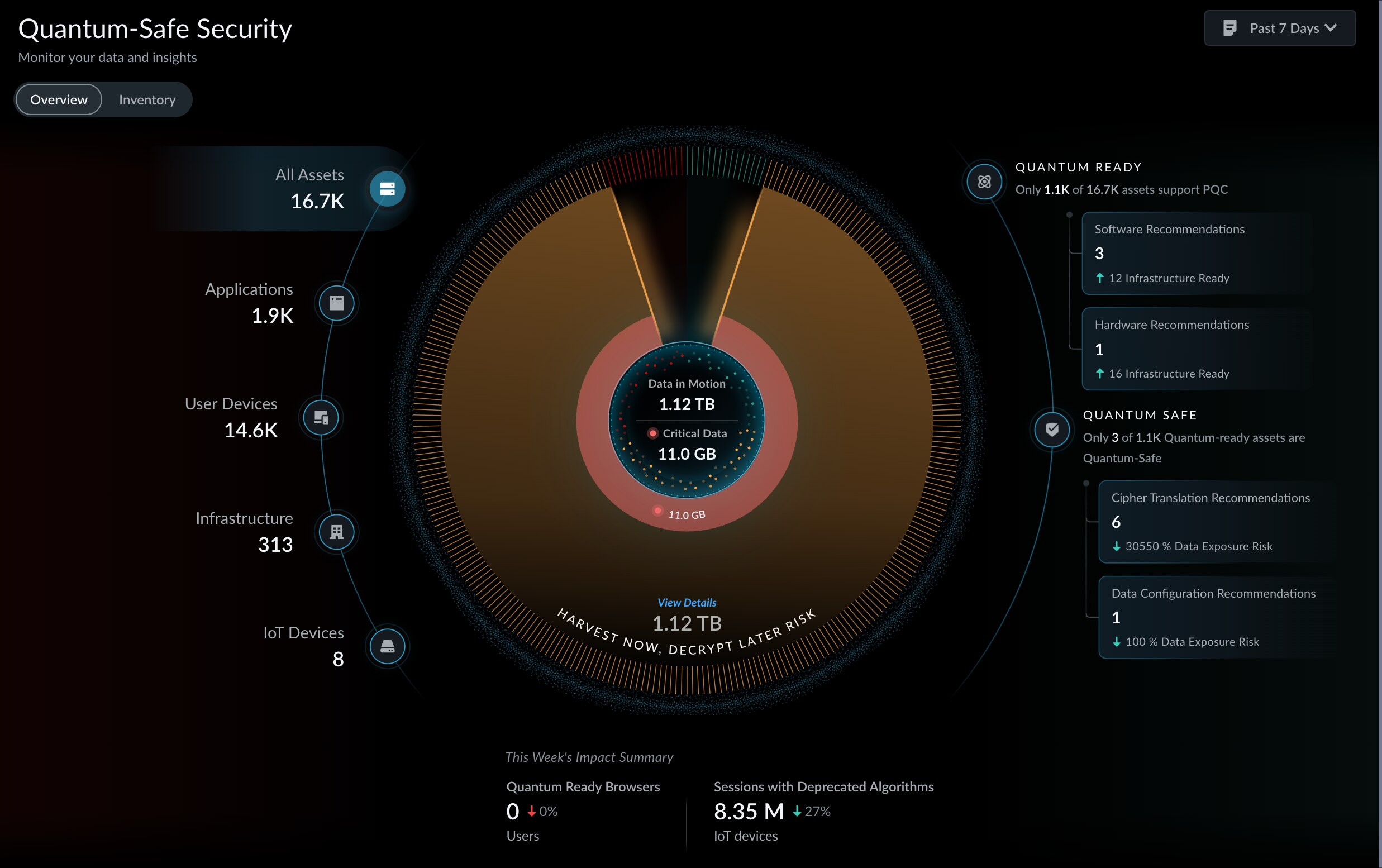
Palo Alto Networks has achieved FedRAMP Moderate authorization for Quantum-Safe Security (QSS), a turnkey Automated Cryptography Discovery and Inventory (ACDI) solution. With this...
Security teams need to stop threats without slowing people down. That challenge grows as users connect from more locations, applications move across c...
The rapid rise of autonomous AI coding assistants - like Cursor, Claude Code, Codex, and Antigravity - is driving unprecedented productivity gains acr...
Omdia has named Palo Alto Networks a Leader in its Market Radar: OT Cybersecurity Platforms, 2026 — and positioned us among the six Leaders in its eva...
Security teams are responsible for keeping users connected, applications available, and networks protected across increasingly distributed environments. But understanding activity...
The OT attack surface is widening as private 5G, IoMT, and aging legacy systems converge across operational networks. At the same time, Frontier AI has compressed the attack lifecy...
Security teams need to stop threats without slowing people down. That challenge grows as users connect from more locations, applications move across c...
Traditional SD-WAN architectures have long relied on a fundamental misconception: that synthetic network probes equate to application health. In the legacy era of wide-area network...
Cortex Cloud expands DSPM coverage across Google Drive, Microsoft 365, Teams, Salesforce and Claude to identify sensitive data, understand exposure, a...
Learn how Cortex Cloud SCA helps secure open-source software in the frontier AI era with visibility, risk prioritization and remediation from code to cloud.
We’re pleased to announce that after two months in public preview, Cortex Data Security is now generally available. And we’re already looking ahead to...
When a major software supply chain attack is discovered, security teams immediately need to know whether they are affected. As Frontier AI accelerates...
Discover how Cortex Cloud Code-to-Cloud Coverage identifies missing connections, closes visibility gaps and improves context from development to runtime.
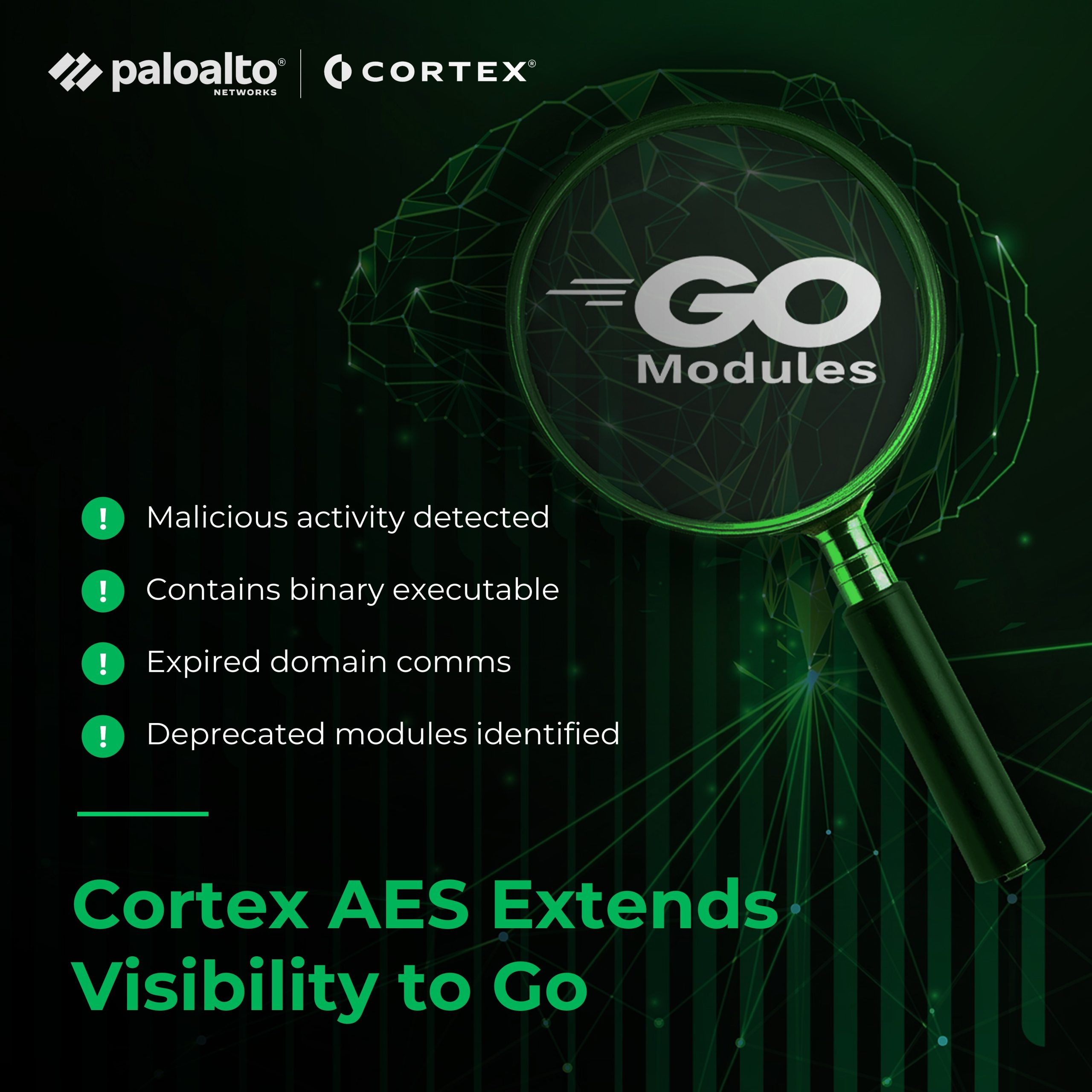
Discover how Cortex AES extends supply chain security to Go modules across Windows and macOS endpoints. Flag malicious packages, retracted versions, a...
Editor’s note: This article was originally published by Koi Security on December 29, 2025. Koi is now part of Palo Alto Networks, and this article has been adapted for the Palo Alto Networks blog. The technical findings and i...
AI has handed security teams both a remarkable opportunity and a rather inconvenient deadline. Agentic AI can take on investigations, automate routine work and compress response ti...
A lot ships across the identity platform every month, and most of it lands in the release notes and then quietly disappears. That’s a shame, because s...
The successful completion of Build 2 marks another significant milestone for the NIST National Cybersecurity Center of Excellence (NCCoE) Secure Software Development, Security, and Operations (DevSecOps) Practices project. Pa...
I spend most of my week talking with CISOs and CIOs. When the conversation turns to frontier AI, I notice a troubling pattern. Everyone agrees the capability is real. Everyone agrees identity security is where it lands. And a...
AI agents are crossing an important threshold.They are moving from assistants that respond to us to autonomous systems that reason, plan, and act on our behalf. They can write and execute code, access enterpris...
With 97M+ monthly SDK downloads and 10K+ active public MCP servers, the adoption has been fast. But the protocol, by design, doesn't enforce security. With agents now performing real actions across internal systems, that gap becomes critical.
When we set out to solve AI security, we knew it was an audacious challenge to take on. Securing AI Coding, which I wrote about last week, is one example of how we are tackling this multidimensional problem.
Enterprises are seeing an unprecedented surge in AI coding adoption with spend on AI coding tools projected to top $13 billion in this calendar year1, compounding at more than 60%...
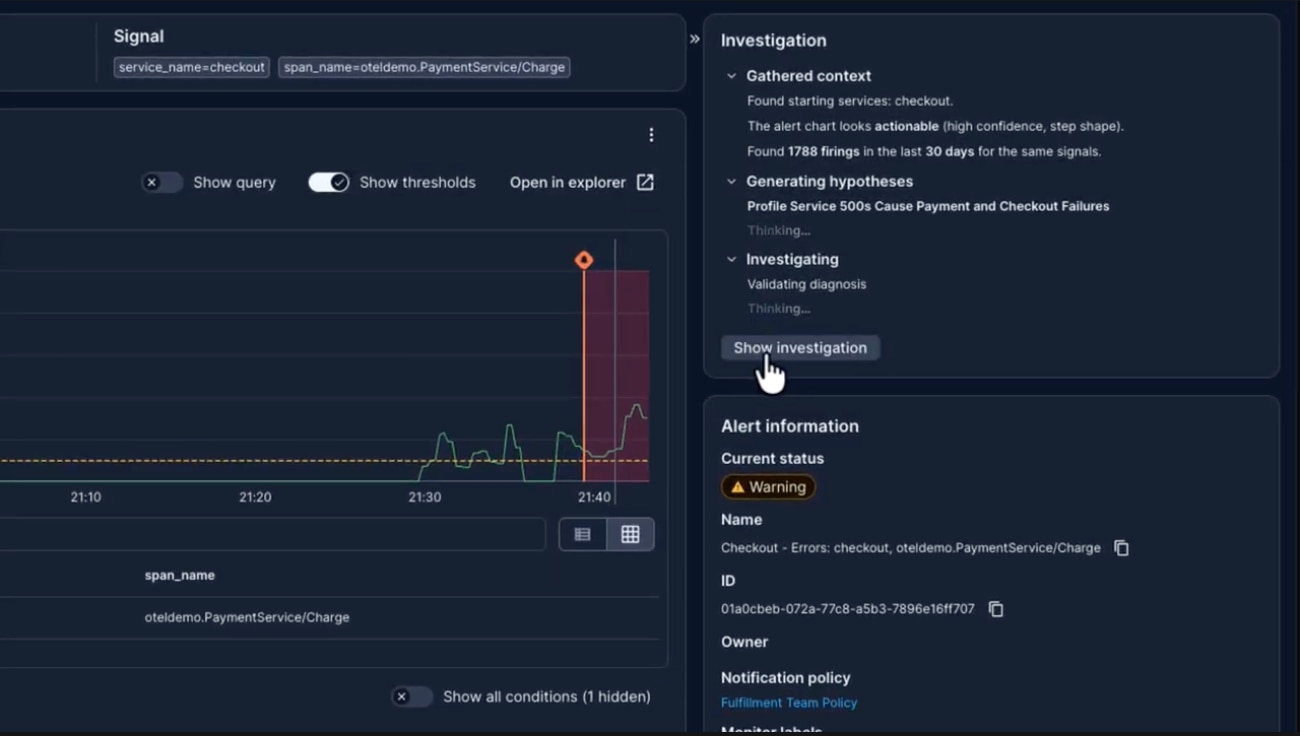
Introducing Cortex XCOR: AI-Driven Observability that Delivers Autonomous Response with AI SREI’ve been tackling the observability problem for more than a decade, since before it was coined observability. From building internal monitoring f...
When evaluating observability platforms, engineering organizations rarely start from scratch. Teams have established tooling and workflows, whether in SaaS platforms such as Datadog and Dynatrace or self-hosted, open source s...
Modern software development has undergone a permanent structural transformation. Engineering teams no longer write code line-by-line; developers now act as orchestrators for fleets of specialized AI agents. As organizations s...
Today we're introducing Cortex XCOR Real User Monitoring (RUM). It brings real user monitoring for web and mobile apps, along with synthetic monitoring, into Cortex XCOR, where it connects directly to the metrics, logs, and t...
High-growth engineering organizations require observability platforms that scale alongside their infrastructure without imposing unpredictable financial overhead. Cortex XCOR operates on a consumption-based pricing model buil...
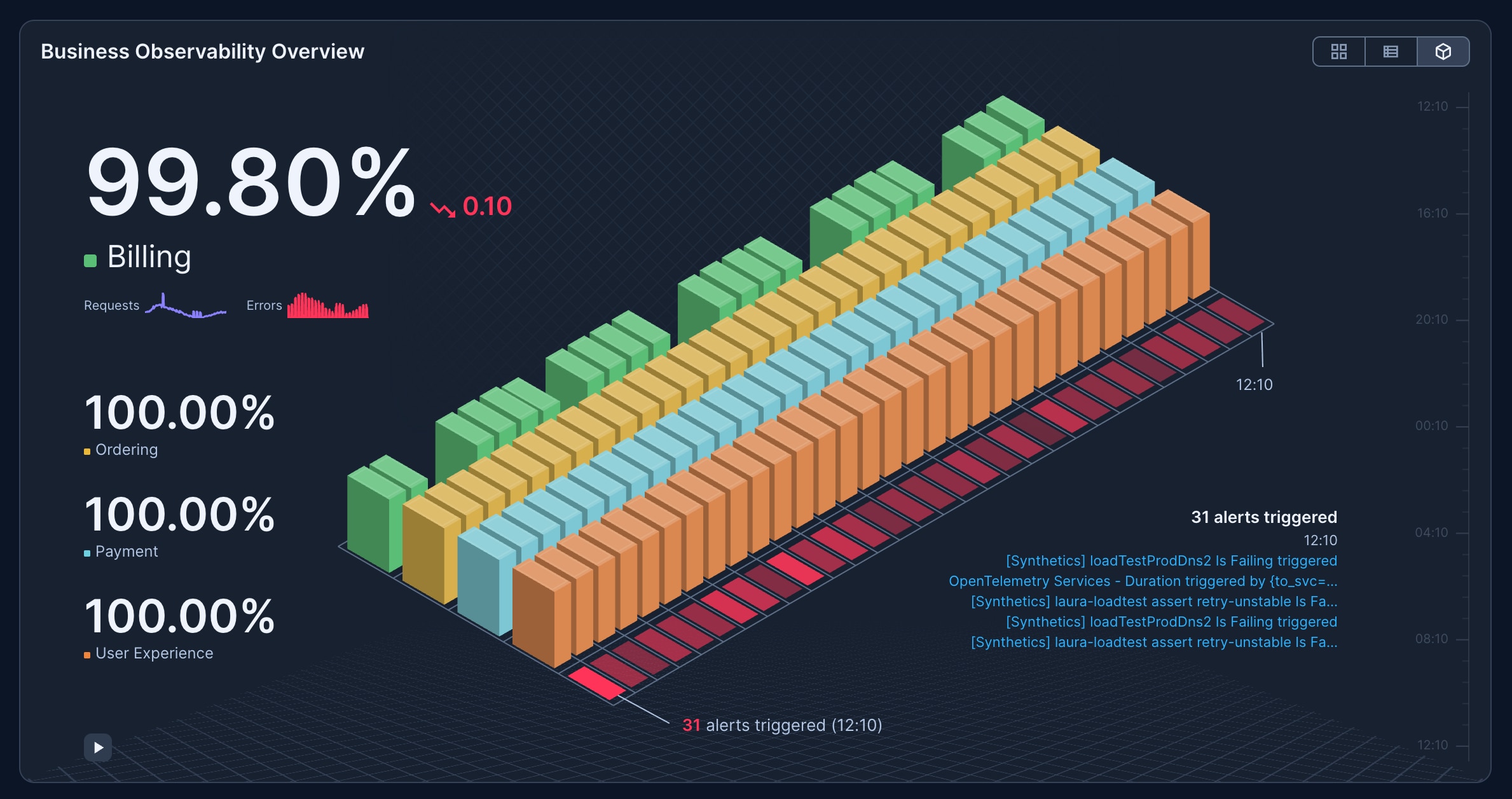
Service health and cost efficiency show the business impact of observability. They link system reliability to revenue and telemetry management to ROI. Historically, it was cumbersome for platform teams to customize and genera...
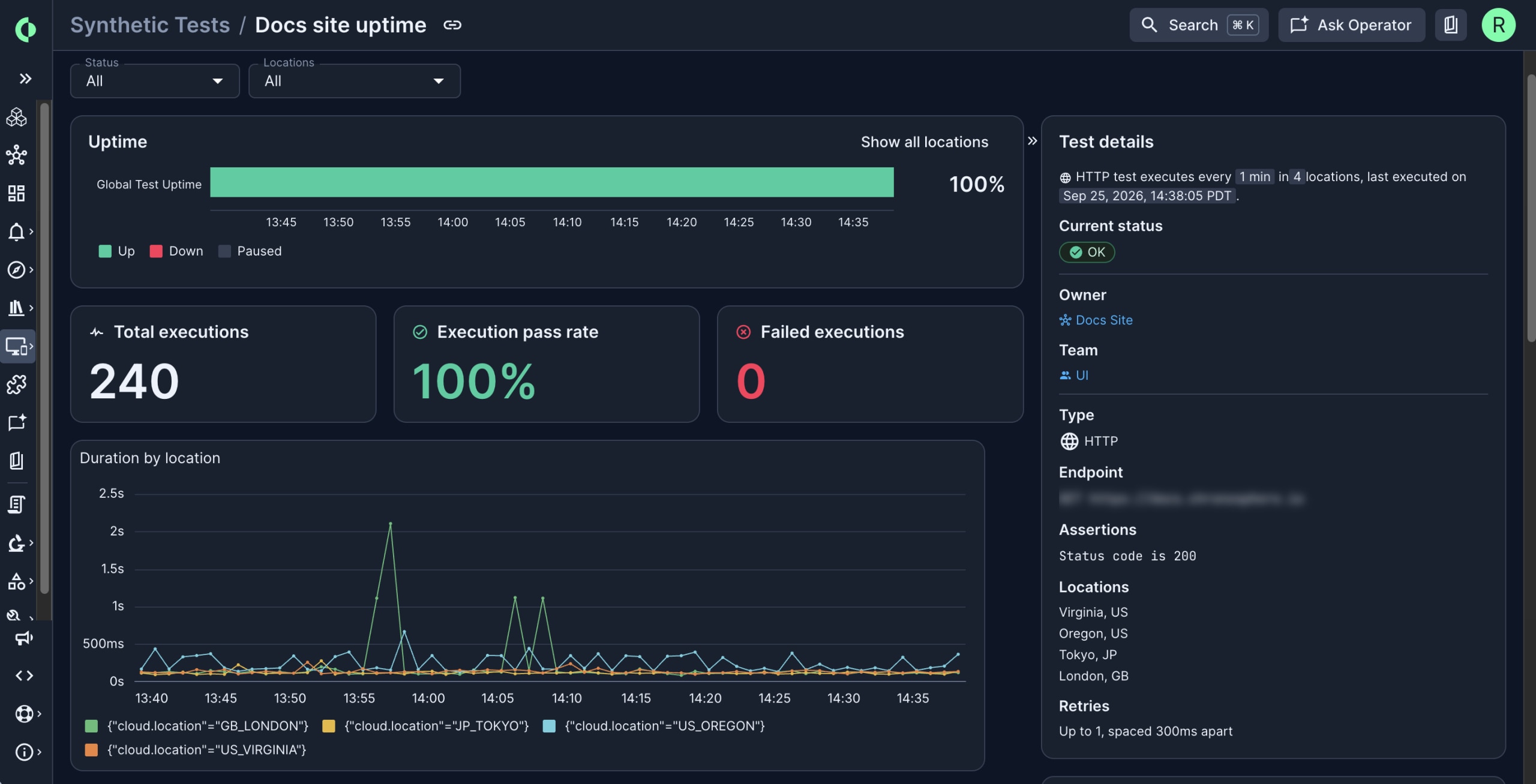
Maintaining predictable system performance across distributed infrastructure requires identifying issues before they broadly impact your users. While telemetry provides operational visibility, running synthetic tests on endpo...
Analysis of Blinder Tunnel, an Iran-nexus campaign using fake Dubai Airports recruitment lures and GitHub C2 malware to target critical infrastructure....
Unit 42 is aware of possible 0-day activity against NetScaler devices. Citrix reports CVE-2026-88771, CVE-2026-88772 have been exploited in the wild. ...
Unit 42 security experts address critical cybersecurity misconceptions, offering practical insights to help your organization reinforce its enterprise defenses....
We explore how AWS neutralizes exposed IAM credentials using managed policies, detailing GitHub secret scanning and CloudTrail monitoring strategies....
Analysis of how default configurations in AWS AgentCore Harness allow prompt injection to exfiltrate credentials, and key steps to secure your agents....
Cross-environment attacks demand a new approach to security operations. Learn how Unit 42 Managed XSIAM helps SOC teams investigate complete attack paths....
Sign up to receive must-read articles, Playbooks of the Week, new feature announcements, and more.
By submitting this form, you agree to our Terms of Use and acknowledge our Privacy Statement. Please look for a confirmation email from us. If you don't receive it in the next 10 minutes, please check your spam folder.